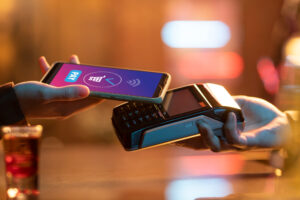
Uncovering the Real Costs Behind BNPL Compared to Credit Cards
Descubra os verdadeiros custos ocultos do BNPL em comparação com os cartões de crédito — e entenda como o “compre agora, pague depois” pode acabar se tornando “pague mais”.
Unveiling the Real Expenses of BNPL Versus Credit Cards
Buy Now, Pay Later (BNPL) has quickly gained popularity among Americans, especially through platforms like Afterpay, Klarna, Affirm, and PayPal Pay.

The idea is simple: split your payments into small, apparently interest-free installments. But is BNPL really a better choice than standard credit cards?
The Growth of BNPL in the U.S.
According to the Consumer Financial Protection Bureau (CFPB), BNPL usage in the U.S. skyrocketed by more than 400% between 2019 and 2023.
At major retailers like Amazon and Walmart, BNPL options now stand alongside credit cards at checkout.
The main users? Young adults between 18 and 34, many without an established credit history or hesitant to use traditional credit cards.
This approach attracts users by removing barriers: no deep credit checks, no annual fees, and the assurance of no interest charges—as long as payments are made on time.
Still, that “as long as” is a vital condition.
The Myth of ‘Interest-Free’
BNPL’s biggest appeal lies in its offer of interest-free installments. Yet, this benefit comes with notable restrictions.
If a payment is missed or late, some BNPL services charge fixed penalties or interest rates that can reach 25% annually.
Additionally, certain providers may report delinquencies to credit bureaus, which can harm a user’s credit rating.
By comparison, many credit cards offer grace periods lasting up to 30 days before interest accrues—while still letting users earn cashback, miles, and other rewards.
When you pay your credit card balance in full, borrowing costs are essentially zero. BNPL doesn’t offer this leeway, so even one missed installment can trigger a cascade of fees.
Transparency and Control Issues
BNPL spreads purchases across multiple providers, which can make it difficult to monitor overall outstanding balances.
It’s common for users to juggle three to five ongoing payment plans, each with its own schedule and payment amount.
A Pew Research Center survey found that nearly 40% of BNPL users in the U.S. reported missing at least one payment.
This happens partly because, unlike credit cards that consolidate charges into a single bill, BNPL breaks payments into separate commitments.
The Risk of Hidden Debt
A significant issue with BNPL is the risk of hidden debt. Without a consolidated statement and the temptation of “small installments,” users may underestimate their true financial obligations.
According to the CFPB in 2024, more than one-third of BNPL users in the U.S. resorted to alternative credit sources—such as credit cards or personal loans—to cover their BNPL payments.
Credit Cards: An Alternative Perspective
Though often viewed negatively, credit cards can serve as a powerful financial tool if used responsibly.
They offer fraud protection, reward programs, travel insurance, and extended warranties—advantages frequently absent from BNPL options.
Additionally, credit cards play a vital role in <strongbuilding credit history, which is essential in the U.S. for those looking to buy a car, rent a home, or even land a job.
Conversely, BNPL’s impact here is inconsistent: while some providers report to credit bureaus, many others do not.
Another important consideration is consumer protection. In cases like faulty products or billing errors, credit card issuers typically offer well-defined chargeback options.
Striking the Right Balance: Using BNPL Wisely
This doesn’t mean you must avoid BNPL altogether. For specific situations—such as small, one-off purchases or limited-time promotions—it can offer real advantages.
It’s important to treat BNPL as a form of credit instead of merely an extension of your monthly spending.
Consider adopting these best practices:
- Keep active payment plans to a minimum;
- Carefully review terms before committing;
- Don’t mix BNPL with credit card use;
- Track all payments in a single place;
- Use automatic alerts to remember due dates.
BNPL is firmly established and expected to grow further in the U.S., reflecting a shift in buying habits centered on ease, speed, and simplicity.
Still, like any financial product, it demands careful use and mindfulness.
Understanding this difference is essential for American consumers today to make informed choices between payment methods and avoid turning “buy now, pay later” into “paying more.”
Conteúdo Recomendado
How Tariffs Influence Your Returns
Discover how tariffs affect your portfolio in 2025 and strategize to protect your assets, diversify your investments, and handle market fluctuations.nn
Continuar Lendo * You will be directed to an external website