Top Credit Card Fraud Tactics Targeting Consumers in 2025
Fraudsters are becoming increasingly adept at credit card scams, but there are proven strategies you can use to protect yourself.
Explore the Top Credit Card Fraud Schemes!
Cyber fraud is advancing quickly, and credit cards—an ongoing worry for consumers, financial institutions, and payment networks—are no exception.
This problem extends beyond individuals; with estimated yearly losses topping $12 billion—growing faster than consumer credit—fraud poses a widespread threat.
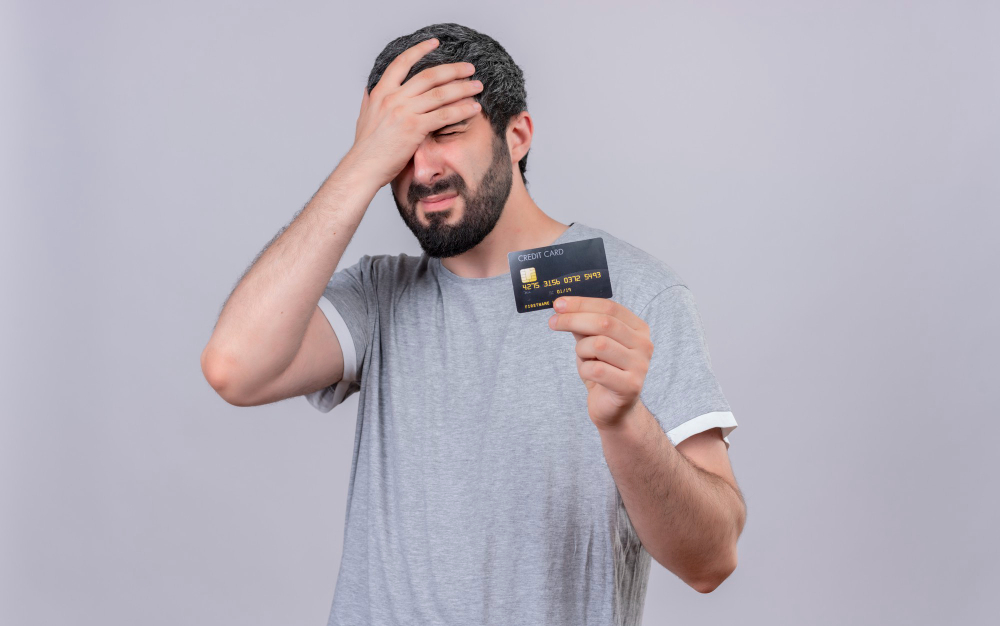
In this article, we outline the major credit card fraud tactics aimed at consumers in 2025, their financial impact, and ways to defend against them.
1. Phishing 2.0: Sophisticated Social Engineering
Phishing isn’t new, but by 2025 it has transformed into a far more dangerous menace.
With generative AI advancing rapidly, scammers now craft emails, texts, and calls that nearly perfectly imitate authentic messages from banks and card providers.
This surge results in more scams succeeding, as victims unknowingly reveal sensitive details such as card numbers, CVVs, and multi-factor authentication codes.
Phishing 2.0 forces banks to invest heavily in behavioral detection systems, which drives up their operating costs. Sadly, these increased expenses often pass on to consumers via higher fees and interest charges.
2. Account Takeover: Hijacking Digital Identities
An increasingly common scam is account takeover, where fraudsters seize control of a consumer’s entire bank account.
After gaining entry, they can modify personal info, reset login credentials, and even request higher credit limits.
This pattern is linked to the wider shift toward digital banking, which, while convenient, also brings greater security risks.
Account takeovers erode confidence in digital credit systems. With more than 70% of payments now contactless, any loss of trust can slow economic activity and reduce consumer spending.
3. Scams in Online Shopping and Marketplaces
Online shopping now accounts for more than 20% of total retail sales in the U.S., and scammers exploit vulnerabilities in marketplaces by creating fake sites and misleading ads.
The widely known scam called “card not present fraud” continues to grow. Criminals use stolen card details to shop on legitimate websites, often slipping past security protocols.
This type of fraud triggers a chain reaction: sellers face chargebacks, payment services lose revenue, and ultimately, shoppers bear higher costs.
For smaller online businesses, the rising fraud rates can jeopardize their survival, dealing a blow to the ecosystem of digital entrepreneurship.
4. Digital Skimming and Invisible Devices
By 2025, malware attacks targeting payment websites—designed to steal card details as transactions happen—are predicted to rise sharply.
Known as formjacking, this threat has already affected numerous leading online stores. The financial fallout from these scams goes far beyond just immediate theft.
Every breach pushes up the price of cyber insurance, which has become mandatory for many publicly listed companies.
This drives higher fixed expenses and narrows profit margins, ultimately affecting stock market valuations.
5. Scams Involving Virtual Cards and New Fintech Players
Temporary virtual cards, once a security breakthrough, have now become a frequent target. Hackers sometimes create fake virtual cards under someone else’s identity by breaching fintech app accounts.
The booming fintech sector in the U.S. is under growing scrutiny, with investors demanding stronger anti-fraud protections to safeguard their interests.
Failing to effectively tackle this fraud could lead to a drop in company value and make it harder to attract future investments.
The Overall Impact: Who Pays the Price?
Although individuals bear the brunt of scams, the financial repercussions extend to all. Rising credit card fraud leads to:
- Hidden price hikes: businesses shift chargeback expenses to customers.
- Higher bank fees: card issuers raise charges to offset fraud losses.
- Increasing insurance premiums: affecting both shoppers and businesses alike.
- Declining trust in digital platforms, slowing innovation and impacting areas like online retail.
To sum up, the true cost of fraud extends beyond direct victims, impacting the entire economic system.
For everyday users, the best defense is to remain alert: enable instant alerts, use virtual cards when shopping online, and never share your authentication details.

Conteúdo Recomendado
Adapting to Change: The New Reality of Savings
The landscape of savings in the U.S. has evolved significantly in recent years, and it’s important to learn how to respond effectively.nn
Continuar Lendo * You will be directed to an external website Adapting to Change: The New Reality of Savings
Continuar Lendo You will be directed to an external website