How to Build Credit by Using Secured Credit Cards
Secured credit cards offer a great opportunity to improve your credit score, especially if your rating isn’t very strong, by utilizing security deposits as a foundation.
Building a solid credit history is essential for obtaining the best loan and credit opportunities in the U.S.
This plays a key role when applying for traditional credit cards, car loans, rental agreements, or starting a new business.

For those with no credit history or aiming to raise their credit score, secured credit cards offer a practical solution.
What Are Secured Credit Cards?
Secured credit cards are a special type of credit card that requires submitting a security deposit to be approved.
Typically, the deposit matches the credit limit on the card and serves as a guarantee to the issuer that the cardholder can pay off the balance.
This feature makes secured cards more accessible to people without a credit history or those with poor credit, since it reduces the risk for lenders.
In What Ways Do Secured Cards Help Build Your Credit?
One key advantage of secured credit cards is that they report your payment history to the main credit reporting agencies in the U.S.
This involves Equifax, Experian, and TransUnion, the three predominant bureaus. Responsible card usage and timely payments help cardholders build a trustworthy credit record.
This plays a key role in steadily improving your credit score over time.
How to Select the Best Secured Credit Card
Not all secured credit cards provide identical perks or features. Consider these important points before deciding:
- Deposit Amount: Initial deposits can start around $200, but some cards may require higher amounts. Check the terms carefully.
- Fees: Verify if there are annual fees or other charges. While many secured cards don’t have annual fees, always review the fine print.
- Credit Bureau Reporting: Ensure the issuer reports your card activity to all three major credit bureaus.
- Upgrade Options: Some cards allow you to transition to an unsecured card after showing responsible payment behavior.
Top Secured Credit Cards Available in the U.S.
Below are some well-known secured credit cards:
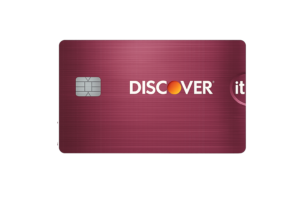
- Discover it® Secured Credit Card: No annual fee, cashback rewards, and potential upgrade to an unsecured card with consistent payments.
- Capital One Platinum Secured Credit Card: Requires a small deposit and may increase your credit limit after responsible use.
- Citi® Secured Mastercard®: A reliable option from a reputable issuer for building credit.
- Bank of America® Customized Cash Rewards Secured Credit Card: Offers cashback rewards and an opportunity to upgrade to an unsecured card.
The U.S. market includes many more secured credit card choices. It’s important to research carefully to identify the best option for your needs.
Using a Secured Card to Boost Your Credit Score
- Pay on Time: Your payment record is vital, accounting for roughly 30% of your credit score. Missing payments can damage your score, so always pay promptly.
- Keep Utilization Low: Try to use less than 30% of your available credit to maintain a healthy debt-to-credit ratio. High utilization may concern lenders.
- Avoid Multiple Applications: Applying for many credit cards within a short period can lower your score. Limit applications to one or two at a time.
- Track Your Credit: Monitor your credit score with free tools and report errors promptly. Avoid excessive credit checks, which can negatively impact your score.
When Should You Switch to an Unsecured Card?
After using your secured card responsibly for roughly six to twelve months, many banks give you the option to upgrade to a regular credit card.
At this stage, some banks will return your security deposit, while others might allow you to continue without formally switching cards.
Often, choosing a different credit card or financial institution can be more beneficial, so it’s important to explore all your options before applying for a new card.
Closing Thoughts
Secured credit cards are an excellent option for people in the U.S. who want to establish or improve their credit history.
Handled responsibly, these cards can open doors to better financial opportunities like unsecured credit cards, loans, and lower interest rates.
The key is to use secured cards carefully by making payments on time and maintaining strong financial habits.

Conteúdo Recomendado
The Importance of Digital Asset Insurance
Are your digital assets protected? Discover how digital asset insurance can help secure your finances.nn
Continuar Lendo * You will be directed to an external website The Importance of Digital Asset Insurance
Continuar Lendo You will be directed to an external website