Proven Strategies for Selecting the Perfect Credit Card
The credit card scene in the U.S. is vast, making it important to understand the various options out there so you can pick the perfect card for yourself this year!
Choosing among the many credit card options in the U.S. can be overwhelming and confusing.
Whether it’s cashback, travel rewards, or cards with lower interest rates, picking the card that suits your financial needs requires thoughtful consideration and research.
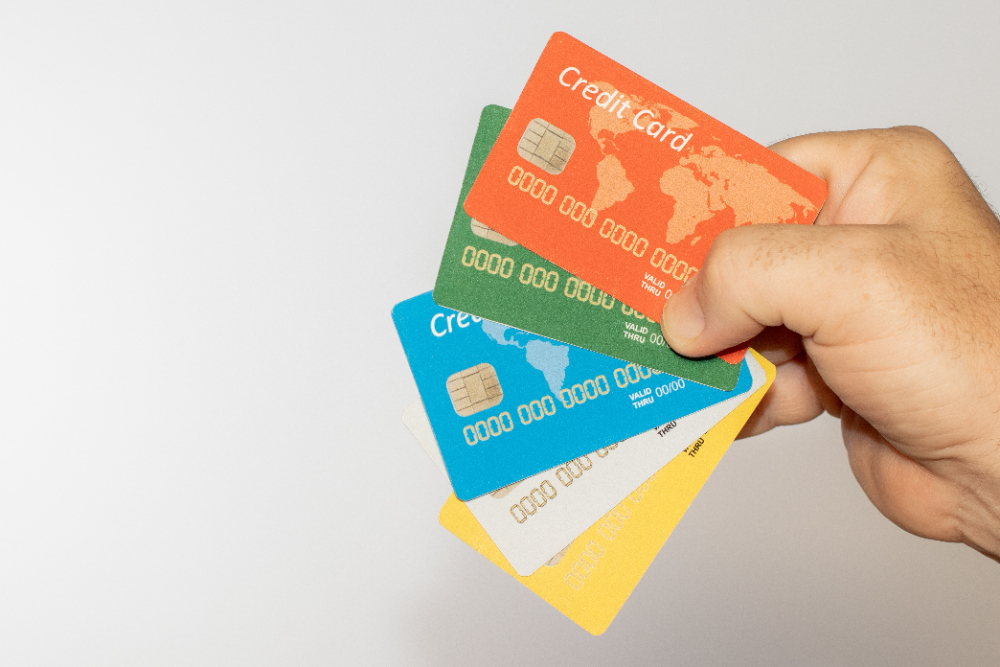
This guide offers practical advice to help you select the ideal credit card.
What are your needs?
Start by asking yourself these important questions:
Explore the Different Types of Credit Cards
Below are the primary categories of credit cards available in the U.S. market:
- Rewards Cards: Accumulate points, miles, or cashback on your spending.
Best for: Frequent cardholders who want to maximize benefits. - Low APR Cards: Designed with lower interest rates, especially for balance transfers.
Best for: Individuals who plan to carry a balance. - Credit Building Cards: Available with or without deposits, ideal for those starting or rebuilding credit.
Best for: Beginners or credit restorers. - Zero Fee Cards: Cards without annual fees though they may offer fewer rewards.
Best for: Infrequent users aiming to cut costs.
Examine Fees and Card Terms Closely
Each credit card comes with its own set of fees and terms that may impact your budget. Keep these factors in mind when comparing your choices:
- Interest Rates (APR): Opt for cards with lower APRs if you don’t pay your balance in full monthly.
- Annual Fees: Some cards charge yearly fees, but these can be worthwhile if the benefits outweigh the cost.
- Cash Advance Fees: Avoid cards that impose steep fees for cash advances.
- Foreign Transaction Fees: For frequent travelers, select cards that don’t charge these fees.
Evaluate Extra Benefits
If these benefits align with your needs, they can greatly increase the overall worth of your chosen card.
Check the Credibility of the Card Issuer
Who issues your credit card matters a lot. Trusted names like American Express, Chase, and Capital One have strong reputations across the U.S.
Look into the quality of customer support and the tools offered, including user-friendly apps and account management features.
Understand Your Credit Score
Your credit score significantly influences your chances of approval and the terms offered. Check your score ahead of applying and pick cards suited to your rating.
- Excellent Credit (720+): Access to top rates and premium rewards.
- Good Credit (690-719): Reliable choices but with fewer exclusive benefits.
- Fair or Poor Credit (629 or less): Consider secured cards or simpler alternatives.
Keep Your Credit Card Applications to a Minimum
Applying for several credit cards in a short time can cause multiple credit report checks, which may temporarily lower your credit score.
Concentrate on cards where you’re likely to be approved to reduce negative impacts on your credit record.
Use Online Tools to Compare Credit Cards
Many websites offer comparison tools that make it simple to identify the best card for you. Enter your spending habits and preferences to get customized recommendations.
Tips for Using Your Credit Card Wisely
Try to avoid carrying a balance into the next billing cycle whenever you can. Use budgeting apps to monitor your spending and maintain financial discipline.
Enroll in loyalty programs to fully benefit from your card’s rewards. If your credit score improves, consider contacting your issuer to negotiate better terms.
Choosing the ideal credit card in the U.S. calls for detailed research, a clear understanding of your needs, and thoughtful evaluation.
Using these practical strategies will better prepare you to choose wisely, allowing you to benefit from credit while protecting your financial health.

Conteúdo Recomendado
Quick Tips to Avoid Credit Card Debt
Here are some essential tips to use credit wisely and avoid accumulating debt that could overwhelm your financial life.nn
Continuar Lendo * You will be directed to an external website