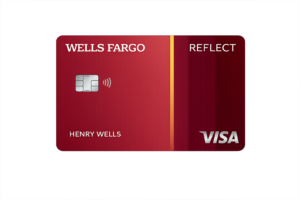
Balance Transfer Credit Cards: Turn Your Debt into Smart Savings
Discover how balance transfer credit cards can help consolidate your debts and lower the interest you pay. Dive into useful tips, benefits, and essential precautions to keep in mind!
Getting to Know Balance Transfer Credit Cards

Learn how balance transfer credit cards can help you consolidate your debts and cut down on interest charges. Get valuable advice, advantages, and essential points to keep in mind!
If you’re facing debt and unsure how to manage it, a balance transfer credit card might be the solution. These cards often offer very low interest rates, sometimes even 0%, making repayment easier.
This lets you move your high-interest credit card balances to the new card, which can help you save on interest payments.
By doing so, you avoid accumulating steep interest for a specific period. If debt is weighing you down, this might be a smart way out.
How Balance Transfer Credit Cards Operate
What You Need to Know About Balance Transfers
These cards let you move your existing debt from other credit cards onto a new one, often with a low or 0% interest rate for a limited period. This strategy can help you save money and pay off debt faster.
Here’s the process: when you transfer your balance, the new card issuer settles your previous debt, enabling you to focus on repaying the new card under more beneficial conditions.
Promotional Rate vs. Regular Rate: What Sets Them Apart?
Promotional interest rates, often set at 0%, usually last between 6 and 21 months. Once this period ends, the regular interest rate applies, which can be considerably higher. It’s wise to make the most of this introductory rate to pay down your debt as much as possible.
Top Advantages of Using a Balance Transfer Credit Card
By benefiting from little to no interest, you can focus on reducing your principal balance, which saves you money over time. Combining multiple debts onto one card also makes managing payments easier and lowers the chance of missing due dates.
This strategy enables you to take back control of your financial health.
Things to Keep in Mind Before Applying for a Balance Transfer Credit Card
- Balance transfer fees: Typically 3% to 5%. Make sure your savings outweigh these costs.
- Introductory period: Plan to pay off your debt before this ends to avoid high interest.
- Credit score effects: Opening a new card might temporarily lower your score, but consistent payments help improve it over time.
Choosing the Right Balance Transfer Credit Card
When looking for the perfect balance transfer card, prioritize key elements. Begin by checking the introductory APR to find the card offering the longest period of low or no interest.
Additionally, explore any extra benefits the card offers. It’s important to assess each card’s features closely to see which one fits your financial situation best.
Smart Practices for Using Balance Transfer Cards
First and foremost, only consider using these cards if you’re certain you can pay off your balance within the promotional period.
Missing payments can cause interest rates to surge, making your debt harder to manage. Plan a realistic repayment schedule before selecting a balance transfer card.
Make sure to devote all your extra funds to paying down your debt. Avoid non-essential spending and concentrate only on necessary purchases.
Final Thoughts
Using a balance transfer card can either be a smart financial choice or a costly error, depending on how you handle it. If you decide to proceed, maintain a clear plan to prevent further financial setbacks.
On the other hand, if you’re unsure about sticking to your plan, it might be better to hold off and review your options until you feel confident. When used wisely, these cards can truly change your financial outlook. Take charge of your finances with confidence!