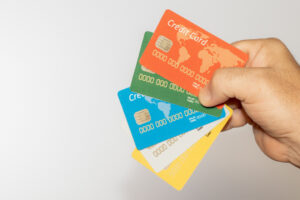
The Most Frequent Credit Card Frauds Encountered Overseas
Uncover the most frequent credit card scams targeting Americans, whether you're at home or traveling abroad — and learn how to safeguard yourself effectively.
How American Travelers Can Steer Clear of Financial Pitfalls Overseas
Travelers crossing domestic or international borders experience new traditions, sample local cuisine, and build unforgettable experiences.
Yet, alongside the excitement of exploration, there’s a persistent threat that many Americans fail to notice: financial fraud, particularly scams targeting credit cards.
Knowing how common credit card scams operate is crucial to safeguarding your money and preventing problems during and after your travels.
The Most Common Credit Card Scams Abroad
1. ATM Skimming
Skimming is a common scam targeting travelers, where fraudsters attach fake gadgets to ATMs to steal card details and capture PIN numbers.
Sometimes, scammers also conceal tiny cameras aimed at recording your PIN entry, giving them full access to your card’s available funds.
How to avoid it:
- Use ATMs inside banks or in busy, well-lit locations only.
- Always shield the keypad while typing your PIN.
- Watch out for ATMs that appear tampered with, loose, or suspicious.
2. Compromised Card Readers in Restaurants and Stores
In certain countries, and sometimes even in the U.S., servers or cashiers might take your card away from the table, which can feel normal but carries risks.
Other times, the card reader itself has been tampered with. Both scenarios create opportunities for card cloning or data theft.
How to avoid it:
- Request that the card reader be brought to your table.
- Choose popular and trusted places.
- Turn on bank app alerts for instant transaction notifications.
3. Misleading Dynamic Currency Conversion
When using a card, travelers are often offered the choice to pay in U.S. dollars rather than the country’s currency.
While it might seem easier, this option typically carries excessive conversion charges.
How to avoid it:
- Always opt to pay using the local currency.
- Review your card’s foreign exchange fees beforehand.
4. Fraudulent Travel Websites and Apps
Long before departure, many Americans are tricked by fake sites when reserving flights, hotels, or tours online.
These fraudulent platforms steal card details, often leading to unauthorized transactions.
Tips to protect yourself:
- Stick to official sites or reputable platforms like Expedia or Booking.com.
- Read reviews carefully and watch out for suspicious web addresses.
5. Frauds in Local Transportation
In certain areas, taxi or private drivers might deliberately input an inflated fare on the payment device, charging far beyond the true cost of the trip.
How to prevent this:
- Use trusted ride apps such as Uber or Bolt.
- Verify the total before approving payment.
6. Public Wi-Fi and Data Theft
Public Wi-Fi networks at airports, restaurants, and hotels are common targets for scams, including sophisticated electronic interception methods.
Cybercriminals can capture banking and card details sent over unsecured, unencrypted connections.
How to avoid it:
- Never input card details when connected to public Wi-Fi.
- Always use a VPN to secure your internet access during travels.
The Role of Banks and Issuers
Many U.S. credit card companies like Chase, Amex, and Capital One provide fraud protection services, including monitoring and blocking suspicious charges.
However, travelers must take a proactive role to protect themselves.
Informing your bank about your travel plans helps prevent card blocks caused by unusual activity. It’s also wise to bring multiple cards and keep some cash on hand for emergencies.
Safety Checklist for American Travelers
- Inform your bank of your travel dates and destinations.
- Activate transaction alerts for instant updates on your phone.
- Bring cards from various networks—Visa, Mastercard, and Amex acceptance varies.
- Store some cards in hotel safes; avoid carrying all of them every time.
- Have your bank’s emergency contact numbers ready for quick reporting.
Many of these scams depend not just on technology, but also on travelers being distracted or too trusting.
Fraudsters exploit moments of rush, language barriers, and unfamiliarity with foreign financial customs.
Grasping this psychological aspect is just as crucial as understanding the technical details.
A vigilant traveler who stays aware of their surroundings and questions doubtful situations greatly lowers their chances of falling victim to scams.
Conteúdo Recomendado
Finding Budget-Friendly Destinations
Check out the best tips to save money when traveling in the U.S. Believe it—you can enjoy yourself without spending a fortune.nn
Continuar Lendo * You will remain on the current website